
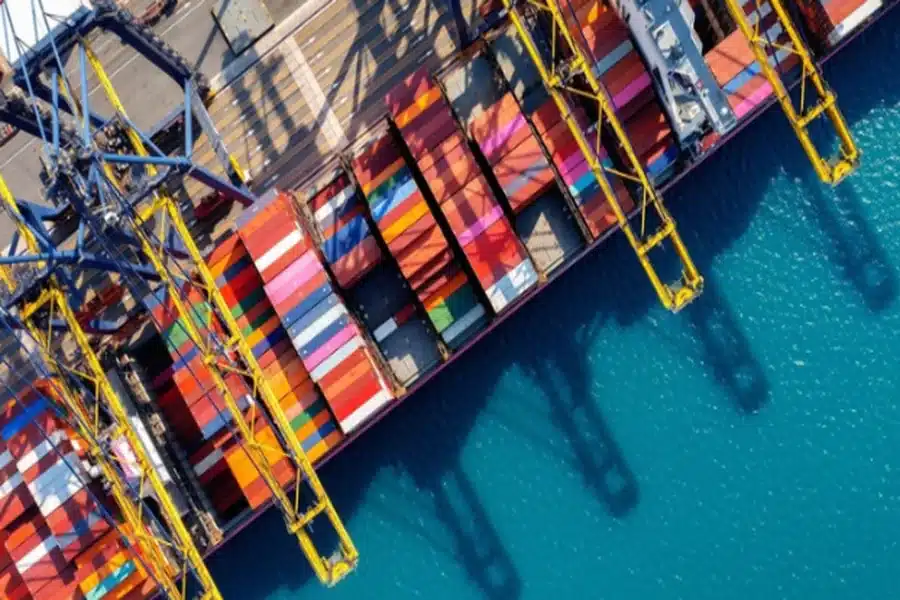
Customs clearance is the process of passing goods through a country’s customs authority so that they can enter or leave that country. This procedure involves the preparation and submission of documentation required to facilitate export or import into the country, representation during customs examination, assessment, and payment of duties, and the subsequent release of goods. Understanding the customs clearance process is essential, as it ensures that all goods crossing borders comply with the relevant laws and regulations, including those related to tariffs, taxes, and prohibited items.
Key Steps in the Customs Clearance Process
The customs clearance process typically involves several stages, each requiring meticulous attention to detail and accurate documentation. Below are the primary steps involved:
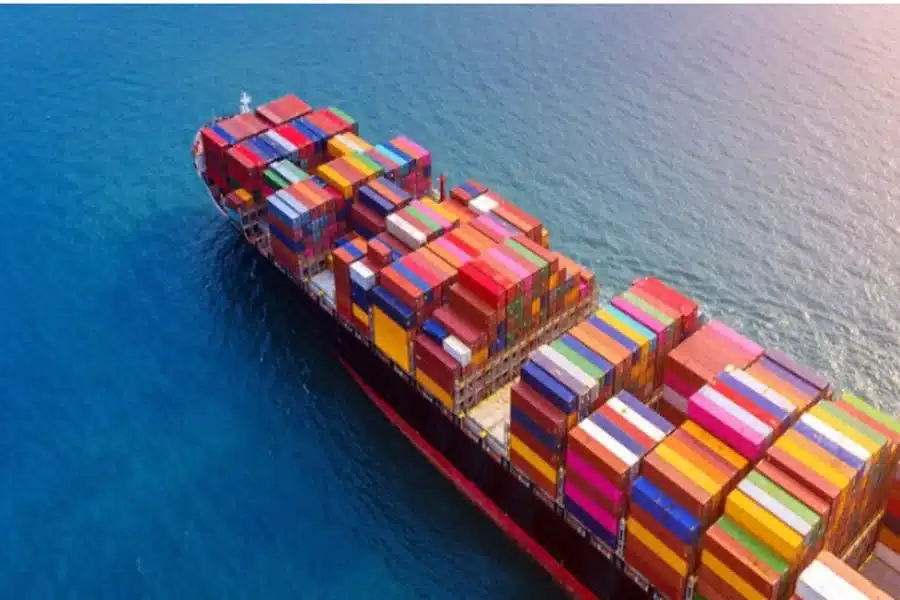
- Documentation Preparation
The foundation of a successful customs clearance process lies in preparing the correct documents. These commonly include a commercial invoice, packing list, bill of lading or airway bill, and any required certificates of origin, licenses, or permits. The commercial invoice provides details about the goods, such as quantity, value, and description, while the packing list outlines the contents of each package. Depending on the nature of the goods and the country involved, additional documents may be necessary. - Customs Declaration
Once the necessary documents are ready, the importer or their authorized customs broker submits a customs declaration to the relevant authority. This declaration provides comprehensive information about the shipment, including the Harmonized System (HS) code, the value of the goods, the country of origin, and the intended use. Accurately classifying goods under the correct HS code is crucial because it determines the applicable duties and taxes. - Duty and Tax Assessment
After reviewing the declaration, the customs authority assesses the import duties, taxes, and any applicable fees. These costs vary depending on the classification, value, and origin of the goods. Some items may be subject to preferential treatment under trade agreements, reducing or eliminating certain tariffs. Importers are required to pay these fees before their goods can be released. - Inspection and Examination
In some cases, customs officials may choose to inspect the shipment. This may be a routine check or triggered by discrepancies in documentation, unusual goods, or high-risk countries of origin. The inspection can range from a simple X-ray scan to a full physical examination. While inspections may cause delays, they are essential for preventing illegal or unsafe goods from entering the country. - Release of Goods
Once all documentation is verified, duties and taxes are paid, and inspections (if any) are completed satisfactorily, customs authorities release the goods. At this point, the goods can move to their final destination, whether that’s a warehouse, distribution center, or directly to the buyer.
Common Challenges in Customs Clearance
While the process may seem straightforward on paper, various challenges can complicate customs clearance. One of the most common issues is incomplete or inaccurate documentation. Even minor errors can result in delays or fines. Additionally, frequent changes in customs regulations, varying standards across countries, and classification errors can further complicate matters. Working with experienced customs brokers or agents can help mitigate these risks and ensure compliance with all legal requirements.
Another challenge is the risk of overpaying duties due to incorrect classification or underutilized trade agreements. For example, not leveraging a free trade agreement when eligible can lead to unnecessary costs. Importers must stay informed and proactive to avoid such pitfalls.
The Role of Technology in Modern Customs Clearance
Advancements in technology are gradually transforming the customs clearance landscape. Electronic data interchange (EDI) systems and customs automation platforms allow for faster submission and processing of documents. These digital solutions reduce paperwork, enhance accuracy, and improve communication between shippers, customs brokers, and authorities. In many countries, pre-arrival clearance systems now enable importers to begin the clearance process even before the shipment arrives, further reducing delays at the border.
Additionally, blockchain and artificial intelligence are being explored to enhance transparency and streamline the supply chain. These technologies promise to further reduce human error, increase traceability, and optimize the decision-making process during customs procedures.
Conclusion
Customs clearance is a critical component of international trade, serving as a gateway through which all imported and exported goods must pass. While the process may seem bureaucratic, it plays an essential role in protecting national economies, ensuring compliance with trade laws, and collecting revenue through tariffs and taxes. By understanding each stage of the clearance process—from documentation and declaration to inspection and release businesses can navigate cross-border trade more efficiently and with fewer disruptions.
Despite its complexities, mastering the customs clearance process is both possible and beneficial. Leveraging expert knowledge, staying up-to-date with regulations, and adopting technological tools can significantly reduce risks and enhance operational efficiency. As international trade continues to expand, a strong grasp of customs procedures will remain a valuable asset for any global business.