
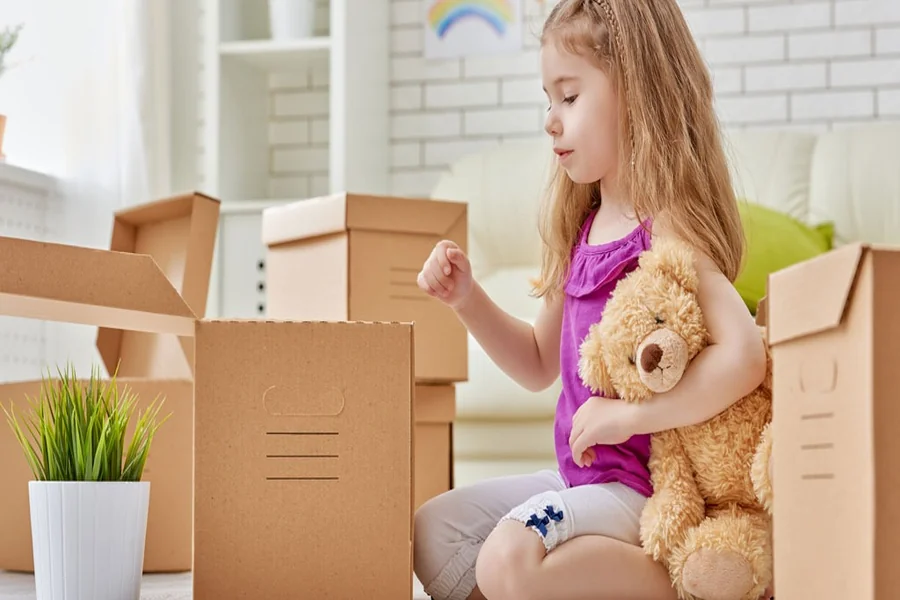
Relocating is a significant life event for any family. When children are involved, the experience can feel even more overwhelming. It disrupts their routine, separates them from friends, and plunges them into unfamiliar surroundings—all at once.
While adults may focus on the logistics—such as packing and adjusting to new schedules—children often experience relocation on an emotional level. They may not fully grasp the reasons for the move, but they feel the loss of familiarity. A new bedroom isn’t just a room; it’s a reminder that their old world has changed.
The good news is that families can manage these hurdles with careful planning and emotional awareness. Moving can be an opportunity to build resilience, strengthen family bonds, and cultivate new perspectives. By helping children adjust and guiding them through the transition, you can turn this challenge into a positive chapter in your family’s story.
Practical Moving Tips for a Smoother Transition
Before addressing the emotional side of a move, it’s essential to handle the basics. A chaotic move can leave children feeling more unsettled. Keeping the process structured and involving your kids in each step can help them feel grounded during the upheaval.
Start by involving your children in the conversation from the beginning. Talk about where you’re going, why the move is happening, and what they can expect. Let them be part of the planning process—choosing what to pack, deciding how to decorate their new room, or even looking up fun things to do in the new area. Participation fosters control, which reduces anxiety.
Staying organized makes a noticeable difference. Create a family timeline of tasks and key dates. Use a visual calendar if your kids are younger. Pack an “essentials box” for each child that includes comfort items like favorite toys, pajamas, and snacks. Keeping some routines intact—especially sleep and meal times—helps provide structure when everything else is changing.
When to Seek Professional Help
Most children adjust to a move within a few weeks or months, especially when they receive support. But there are times when the emotional toll is deeper than expected. Ensuring a smooth transition with reliable long distance movers can ease some of the initial stress, allowing you to focus more fully on your child’s emotional needs. It’s important to recognize when outside help may be needed.
Persistent changes in behavior—such as ongoing sleep disturbances, academic struggles, extreme social withdrawal, or prolonged sadness—can be warning signs. If your child shows signs of depression or anxiety that don’t improve, consider speaking with a counselor or pediatrician.
There’s no shame in seeking professional help. It shows strength and commitment to your child’s well-being. Mental health resources are there to support families during times of change, and they can offer strategies you might not think of on your own.
Understanding the Emotional Impact on Kids
Relocation can be an emotional rollercoaster, and kids often process it differently depending on their age. Younger children may not fully understand what’s happening and could become clingy or regress in behavior. School-aged children might withdraw or act out. Teenagers, who are dealing with more complex social lives, may experience feelings of anger, resentment, or sadness.
It’s important not to dismiss or minimize their feelings. Acknowledging their emotions is critical. Avoid saying things like, “You’ll be fine,” or “Don’t worry, you’ll make new friends.” Instead, validate their concerns. Let them know it’s okay to feel sad, scared, or even excited all at once. Children need to feel heard just as much as they need to feel safe.
Watch for signs of emotional stress. These might include changes in sleep patterns, appetite, mood, or social behavior. Keep the lines of communication open and be available to talk—without pressure. Sometimes children will open up on their timeline, and your calm, consistent presence can make all the difference.
Helping Kids Say Goodbye
Closure is a vital part of any transition. Helping your children say goodbye to their current life gives them a chance to process the change. It’s not just about leaving a house—it’s about saying farewell to friends, familiar places, and established routines.
Organize some meaningful activities to mark the departure. This could be a small goodbye party, a visit to favorite local spots, or even making a memory book together. Please encourage your children to write letters or draw pictures for their friends and teachers. These simple acts can help them express what they’re feeling tangibly.
Don’t rush through this phase. Give your children the space to grieve. It might be tempting to keep spirits high by avoiding the emotional weight of the move, but acknowledging the loss will help them let go and adapt more easily to their new environment.
Settling into the New Environment
Once you’ve arrived, your priority should be helping your kids feel at home. Start by unpacking their room first. A familiar sleeping space, complete with their bedding, toys, and books, gives them a place of comfort and security in a sea of cardboard boxes and change.
Take the time to explore the new neighborhood together. Visit local parks, stroll around the school grounds, and explore nearby stores or restaurants. These activities not only help orient your family to the area but also create shared experiences in the new setting.
Establish a few simple routines right away. Whether it’s a bedtime story, weekend breakfast tradition, or evening walk, consistency can help children feel that not everything is changing. When some things stay the same, it becomes easier to accept what’s new.
Fostering New Friendships
One of the most challenging aspects of moving for children is leaving behind their friends. Creating new ones isn’t always easy, especially in unfamiliar environments. Children may feel shy or unsure about how to start socializing again.
Start by looking for opportunities to engage your children with the community. Local clubs, sports teams, school events, or hobby groups can be natural places to meet peers. If your child is hesitant, consider role-playing everyday social interactions to build confidence. You can help them practice introducing themselves or finding shared interests.
Be patient. Building friendships takes time. Host a small gathering or playdate to help break the ice and get to know one another. Even one new friend can change how your child views the move and make the transition feel less isolating.
Staying Connected with the Old Community
Leaving doesn’t have to mean cutting ties. Maintaining connections with old friends and familiar faces can ease the emotional transition for your children. It reminds them that their previous life isn’t lost—it’s just evolving
Use technology to your advantage. Set up regular video chats or phone calls with friends, cousins, or former neighbors. Encourage letter writing or exchanging drawings. Even sharing photos or videos of what they’re doing in the new place can help keep the bond alive.
Over time, some connections may naturally fade, but that’s part of growing up. Still, keeping those lines of communication open in the early months after a move can provide a much-needed sense of continuity for your child.
Reframing the Experience Positively
Your attitude as a parent sets the tone for your child’s behavior. If you treat the move as a hassle or only talk about what was left behind, your child may mirror those feelings. Staying positive—without dismissing their sadness—is key.
Find ways to talk about the exciting aspects of the move. Is the new city known for its parks or festivals? Is there a cool library, fun activities, or new experiences to explore? Sharing your curiosity and optimism encourages your child to do the same.
Celebrate little wins along the way. A successful first day of school, discovering a new favorite food, or making a friend at the park are all milestones worth acknowledging. These moments help shift the focus from what was lost to what is being gained.
Conclusion: Embracing Change Together
Relocating with kids is a significant life shift. It challenges routines, tests patience, and requires a great deal of emotional sensitivity. But it’s also an opportunity to teach your children about flexibility, communication, and the importance of sticking together through change.
By planning, offering emotional support, and keeping your family grounded in familiar routines, you can make the move smoother for everyone. The key is to stay connected, be responsive, and create new memories together.
Over time, your kids will adapt—and so will you. With patience and perspective, your family can grow stronger and even thrive in the face of relocation. What starts as homesickness can eventually turn into a genuine sense of happiness and belonging.