
One of the most important things a business can have is knowledge, but it doesn’t help if it’s hard to locate and apply. A lot of companies store information in different places, including spreadsheets that are buried in email threads, client notes that are stuck in private chats, or policies that are kept in files that don’t talk to each other. Some employees have the information they need, but others can’t access it since it’s scattered out like this. This imbalance makes it harder to compete over time and slows things down.
The best project management tools fix this by turning scattered knowledge into equity, which means that all teams may share and use the same information. One of these platforms is Lark. It seeks to leverage information to offer businesses an edge by making it a part of how people talk to each other, do their jobs, and make decisions.
Lark Base: Structuring knowledge for fairness and access
Lark Base
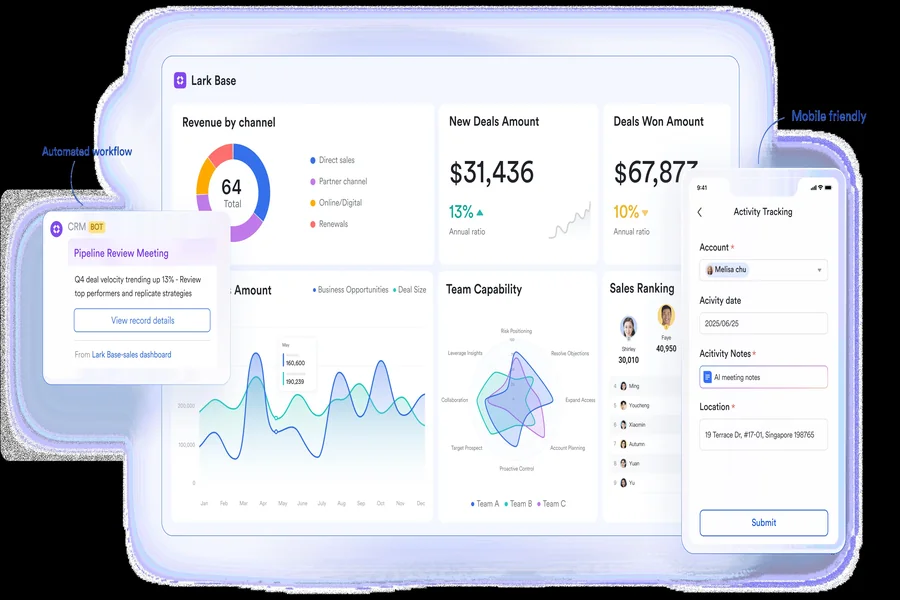
You need to have a mechanism in place to really be equal in knowledge. Employees spend more time looking for records that are spread out over spreadsheets or hidden in emails than they do doing their jobs. Lark Base saves time by putting all the information in one place where it can be modified.
Base operates like a CRM app as it helps the sales team to keep track of leads, interactions with clients, and chances. Operations and finance may keep an eye on spending and supply chain information. When everything is in one place, all departments can see the same thing, and leaders can see everything.
Dashboards show important performance metrics, and linked records connect contracts, approvals, and projects in a way that makes sense. Grid, kanban, and Gantt views let workers arrange information in the way that works best for them. Base makes sure that knowledge is not only kept safe, but also shared evenly throughout the firm so that everyone feels free to act.
Lark Messenger: Making communication a knowledge asset
Lark Messenger
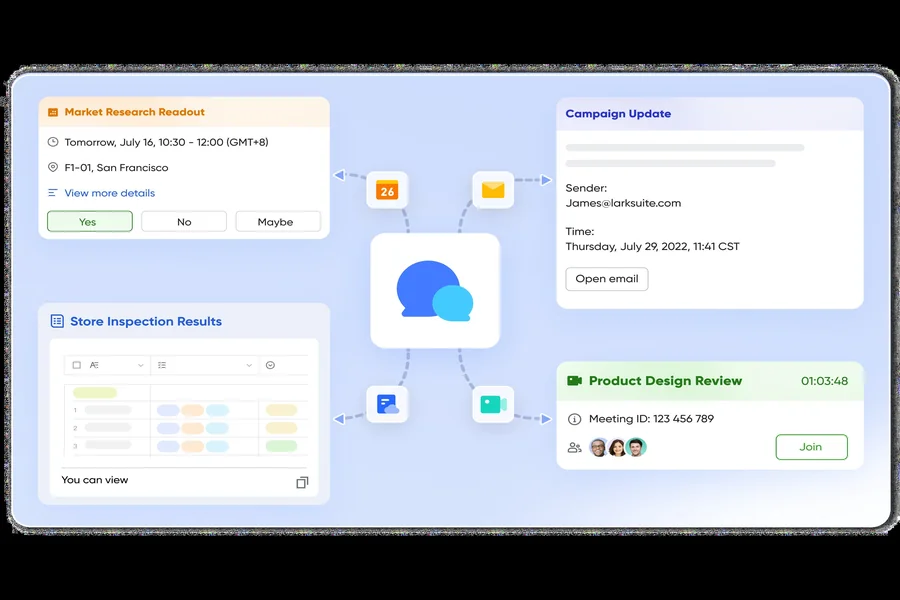
When chat rooms and email threads are busy, many businesses lose important information. Lark Messenger makes sure that communicating with people is easy and not a pain.
Threaded conversations group updates by project or theme, which makes it easy for employees to stay up with what’s going on without having to read a lot of content. Pinned notifications make key deadlines or decisions easier to see, and mentions bring the proper individuals into conversations quickly. The software’s built-in translation tool helps teams from different nations work together better by making sure that information stays accurate as it changes languages kaiyo.
Messenger connects straight to Base and Tasks, so you can effortlessly turn conversations into organized notes or tasks. This makes communication a live knowledge system where people write down their thoughts and act on them instead of forgetting them.
Lark Calendar: Aligning timing with institutional knowledge
Lark Calendar
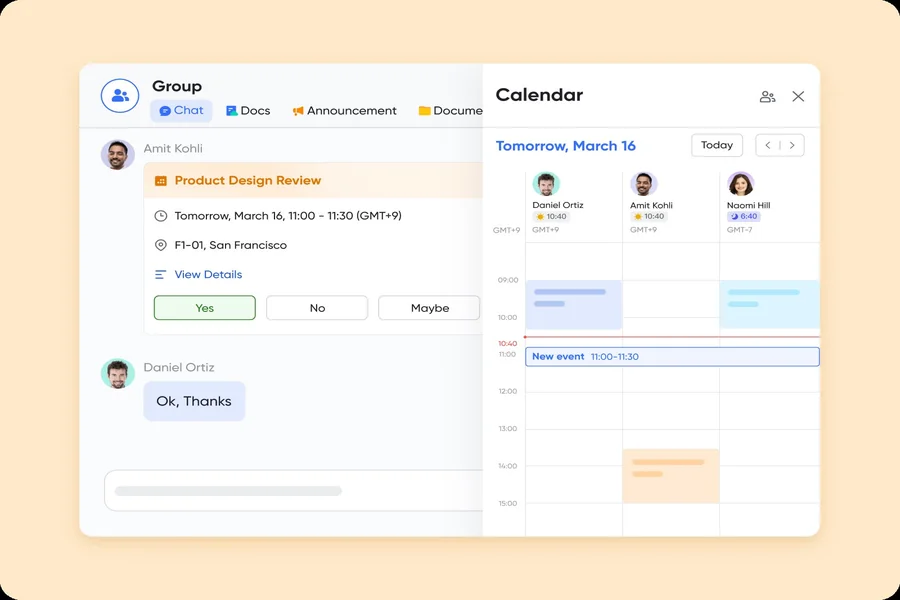
It’s just as important to tell people what you know as it is to share what you know. When teams don’t get important information regarding their schedules or miss deadlines, they can’t work together either. Lark Calendar makes sure that information is communicated and acted on at the proper moment, which maintains everything fair and organized.
Everyone can see the project’s milestones, the client’s deadlines, and the department’s most critical tasks on shared calendars. Automatic time zone conversion makes sure that everyone in a team is on the same page, and reminders help people follow their promises. Linked events go right to Lark Base records or Lark Docs, so meetings have all they need.
Calendar makes sure that timing doesn’t get in the way of knowledge equity by making sure everyone is on the same page and giving everyone a chance to speak up.
Lark Approval: Ensuring transparency in decision-making
Lark Approval
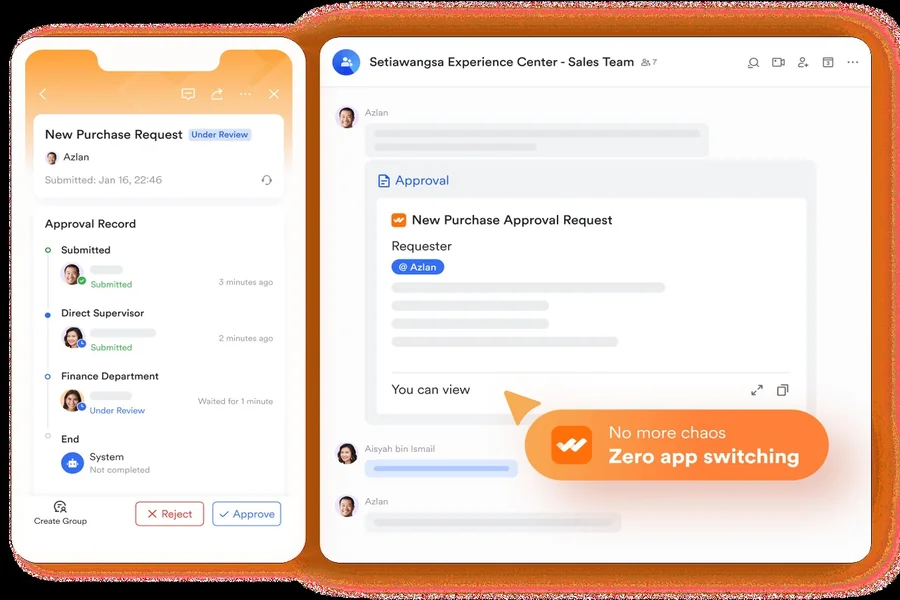
One of the most important aspects is that knowledge equity is very important when it comes to making decisions. When approvals aren’t clear or happen all the time, workers lose faith and drive. Lark Approval makes sure that every choice is made in a transparent and organized way.
Standardized request forms make things easier, and inform leaders whose requests are still waiting to be authorized. Role-based permissions keep personal information safe, while logs keep track of all decisions so that people can be held accountable.
Approval also provides an automated workflow to submit requests to the proper people right immediately. Notifications keep requests from becoming stuck, which keeps the process fair. Fast and easy approvals help everyone in the company trust each other and share their knowledge.
Lark Docs: Creating living documents for shared ownership
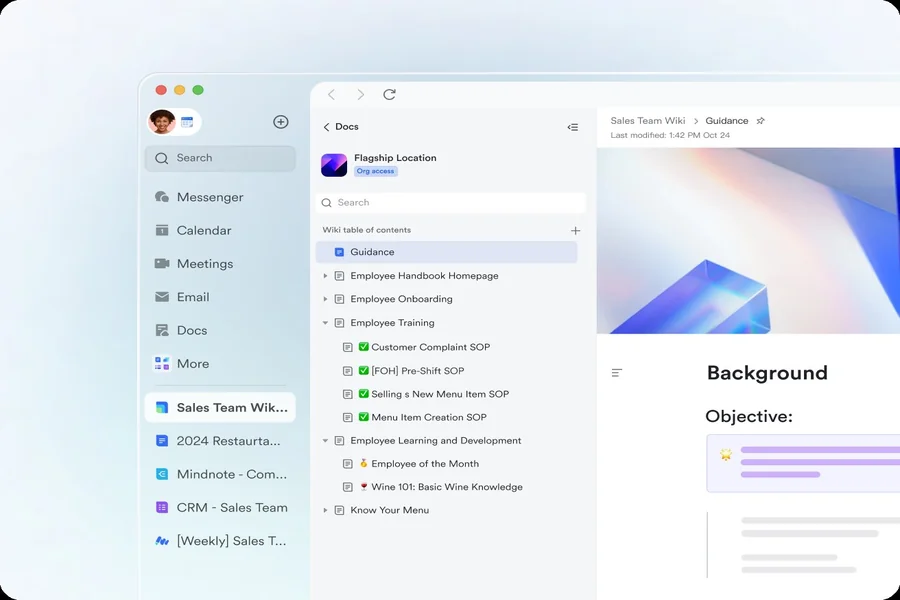
Lark Docs
Organizations usually keep their data in reports, strategies, and proposals. When people communicate drafts by email, they don’t trust each other since they don’t know which one is the most recent. Everyone may use documents at the same time as Lark Docs.
Everyone can work on the same paper at the same time, no matter where they are. Version history keeps people honest, and inline comments make it easy to see what individuals have said. Base records or embedded sheets keep documents up to date by saving new information in them.
Documentation is particularly important for knowledge equity since it makes sure that everyone has access to the same information.
Lark Wiki: Preserving knowledge equity over time
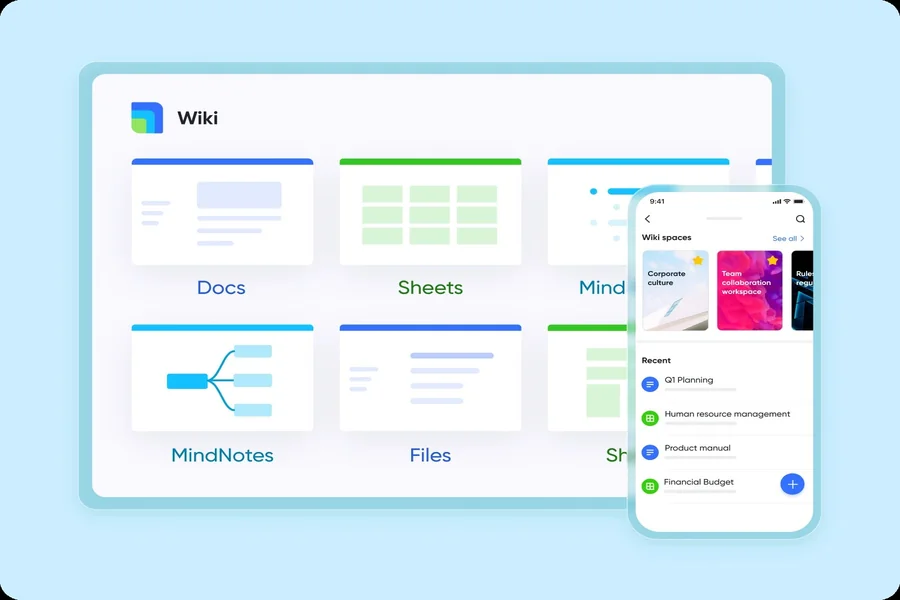
Lark Wiki
Knowledge equity isn’t only about the present; it’s also about making sure that values, skills, and learning don’t fade away over time. It’s easy to protect and find institutional memory with Lark Wiki.
As things change, Lark Wiki keeps policies, onboarding materials, and best practices up to speed. Permissions keep sensitive information safe, and searchability makes it easier for workers to discover what they need. Wiki makes things fair for new employees from the start by letting them see all the information that has been collected right away.
Wiki stores information such that fairness lasts throughout time and between groups.
Conclusion
Information is only helpful if everyone can access it. Dividing up tools makes it hard for certain people to get to them, wastes energy, and makes people do the same labor over and over again. Lark and other unified solutions push against this trend by putting information directly into work and communication processes.
Base frames knowledge in the same way that CRM does. Messenger enables people talk to each other, Calendar helps teams stay on the same page, Approval creates trust through automated workflow, Docs lets everyone share ownership of information, and Wiki keeps institutional knowledge alive. These features provide every employee the tools they need to do their best work and every leader the confidence to act on everything they know. This gives Knowledge Equity an edge over its competitors.
Companies recognize that equity isn’t just about being fair; it’s also about doing a good job. When everyone has the same information, businesses may get stronger, faster, and more creative.