
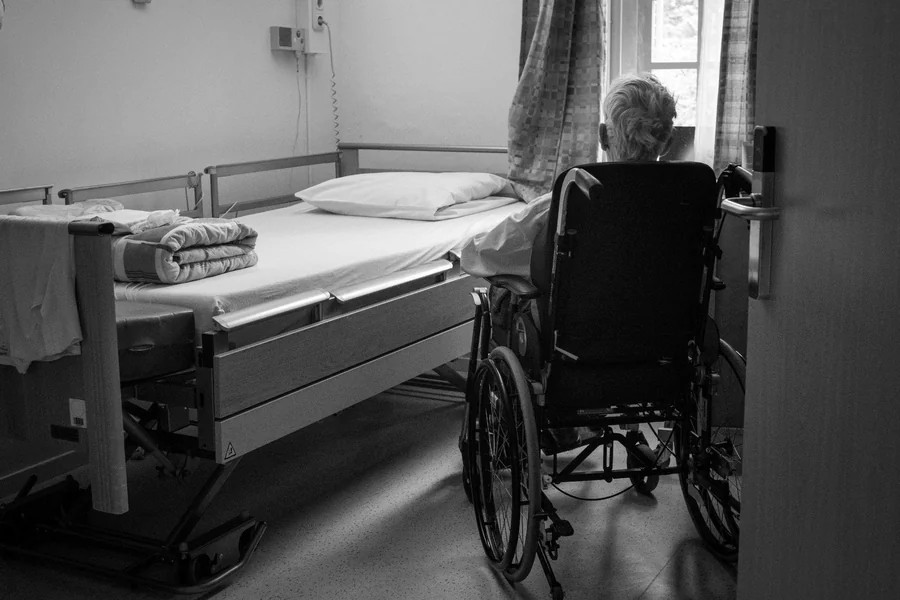
The phone call doesn’t sound dramatic.
“Your mother had a small fall earlier today. She’s resting.”
No sirens. No urgency. Just reassurance. But when you visit later, something feels off. She’s quieter. There’s a bruise no one mentioned. And suddenly, the word small feels misleading.
Falls in California nursing homes often start that way—subtle, softened, and easy to dismiss. But for elderly residents, even a “minor” fall can quietly change everything.
So the real question becomes: Was it truly an accident—or was it allowed to happen?
How Common Are Nursing Home Falls in the U.S.?
Most families assume falls are rare events. They aren’t.
In long-term care settings, falls are expected risks. Facilities assess, document, and plan around them. When those plans fail—or aren’t followed—the consequences land on residents and families, not paperwork.
According to the Agency for Healthcare Research and Quality (AHRQ), nearly 1.3 million nursing home residents fall in the United States each year. About half of all residents experience at least one fall annually, and one in three falls more than once. Roughly 10% of these incidents result in serious injuries, including fractures or head trauma.
What These Numbers Say About Nursing Home Safety
Falls at this scale aren’t random. They signal environments where risks are known but not always managed well.
Ask yourself: If a facility expects falls, why wasn’t more done to prevent them?
That’s where accountability begins.
When a Nursing Home Fall Becomes More Than an Accident
Aging doesn’t equal inevitability. And falling doesn’t automatically mean no one is responsible.
Families are often told falls are “part of getting older.” That explanation sounds reasonable—until you look closer. Was the resident flagged as high risk? Did staff know assistance was required? Were safety measures in place?
If the answer to any of those questions is yes, then safety wasn’t optional.
Signs of Nursing Home Neglect After a Fall
Neglect doesn’t announce itself. It shows up in overlooked details:
- Wet floors without warning signs
- Poor lighting in hallways or bathrooms
- Broken handrails or loose flooring
- Ignored fall-risk care plans
- Inadequate supervision during transfers
A simple question often reveals everything: If the risk was known, why wasn’t someone there?
The Nursing Home Fall Reporting Problem Families Rarely Hear About
Even when serious falls occur, they aren’t always reported as required. That matters more than most people realize.
Incident reports shape inspections, ratings, and enforcement. When falls go unreported, patterns stay hidden—and unsafe conditions continue.
What Federal Investigators Discovered
A report from the U.S. Department of Health and Human Services Office of Inspector General found that 43% of nursing home falls resulting in major injury or hospitalization were not properly reported.
As the agency stated:
“Nursing homes failed to report a significant number of falls that resulted in major injury or hospitalization.” — U.S. Department of Health & Human Services, Office of Inspector General
When falls disappear from records, families lose visibility—and residents lose protection.
Why Falls Are Especially Dangerous for Elderly Residents
For seniors, a fall isn’t just a moment. It’s often a turning point.
Recovery is slower. Complications are common. Confidence fades quickly. And independence, once lost, is difficult to regain.
According to the Centers for Disease Control and Prevention (CDC), falls are the leading cause of injury-related death among adults aged 65 and older, accounting for more than 38,000 deaths each year.
Beyond physical injuries, many seniors develop a fear of walking again. That fear alone can accelerate decline. One fall can quietly reshape daily life.
When Nursing Home Neglect Turns a Fall Into a Legal Case in California
California law requires nursing homes to provide reasonable care and supervision. When facilities ignore known risks, legal responsibility may follow.
This isn’t about blaming staff for every stumble. It’s about accountability when safety measures fail.
How Legal Responsibility Is Evaluated
Falls may support legal action when:
- Safety policies existed, but weren’t followed
- Staffing levels were inadequate
- Known hazards were left unaddressed
- Prior falls or warnings were ignored
Families seeking clarity often consult an accidental fall attorney in California to determine whether a fall crossed the line from an accident to negligence. It’s usually the fastest way to separate unfortunate coincidence from a pattern of preventable oversight.
A Scenario Families Instantly Recognize After Elderly Falls in California
An 83-year-old resident has a documented fall risk. Assistance is required during walks. One evening, staffing is short. The hallway floor was recently cleaned. No warning sign is placed.
She falls. She broke her hip. Surgery follows. Rehab is long. Independence never fully returns.
Was the fall unavoidable? Or was it preventable?
Patterns usually answer that better than explanations.
What to Do After an Elderly Nursing Home Fall
The hours and days after a fall matter.
Practical Steps Families Should Take
- Seek immediate medical evaluation
- Photograph the scene and visible injuries
- Request incident reports and care plans
- Ask direct questions about staffing and supervision
- Document everything
Clear records protect both truth and accountability.
FAQs About Nursing Home Falls and Neglect
1. Are nursing homes responsible for every fall?
- But they are responsible for managing known risks.
2. Do repeated falls strengthen a neglect claim?
- Patterns matter more than isolated events.
3. Can facilities underreport falls?
- Federal data confirms underreporting is common.
Falls Aren’t “Just Part of Aging”—And Families Don’t Have to Accept Them
Growing older comes with challenges. Preventable harm shouldn’t be one of them.
If a nursing home fall leaves you with unanswered questions, trust the pattern—not the reassurance. Ask how the fall happened, what safeguards failed, and whether it could happen again.
Document early. Ask directly. And don’t ignore that feeling when something doesn’t add up.
Because safety isn’t a courtesy.
It’s a responsibility.