
We’ve all heard about the new AI platforms like ChatGPT, Google Gemini, Grok, and others, taking over the internet. Many people in the tech industry fear that AI will take their jobs, and other people say that jobs like electricians, plumbers, and other home service type of jobs will increase. In today’s post, we will discuss exactly that, and we will focus on Naperville’s economy as a suburb of Chicago. We’ll use the last two years of AI’s life as a reference to see what changes and what’s trending, to see if AI really impacted the market in the way people talk about.
Quick snapshot (what the numbers say right now)
- According to the U.S. Bureau of Labor Statistics, electrician employment is predicted to grow with about 9% over the 2025-35 decade.
- Now if we look at the tech jobs available online for Naperville area, the number of software/tech roles is a lot higher than electrician listings. There are about 1,000+ software-related jobs vs ~300 – 350 electrician jobs. What does this mean? It means that electrician postings are about 20% of the software listing volume in Naperville.
- Big tech companies invest a lor of money to develop the electrician workforce for their AI infrastructure, data centers, electrified facilities, and power upgrades. For example, Google announced that they are investing money in electrician trainings to have more electricians for their electricity demands from AI data centers.
Why AI is increasing demand for electricians in and around Naperville
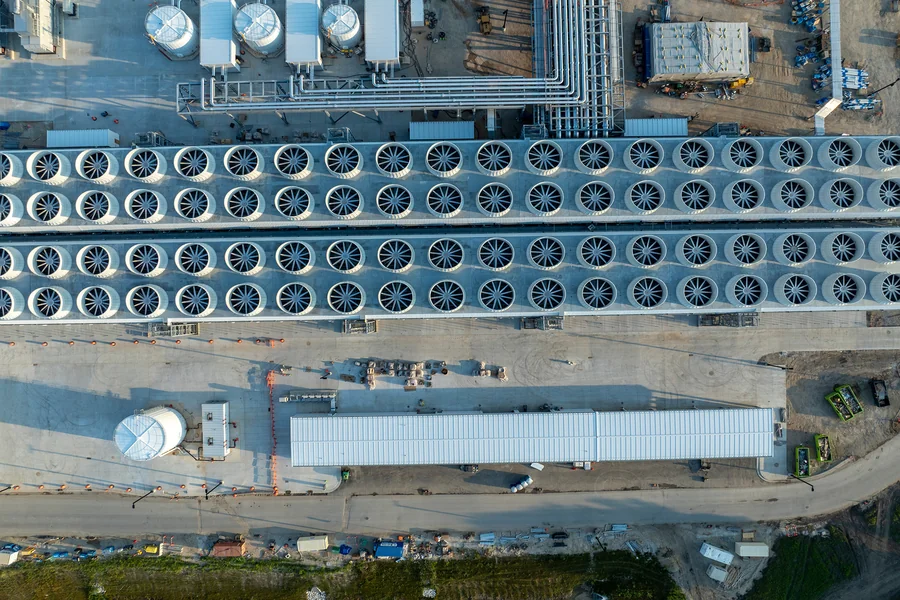
- Data center growth and AI infrastructure. AI model training and inference require massive data centers and power. Illinois and the Chicago metro have become attractive locations for data facilities, and proposals near Naperville (and projects in neighboring suburbs) are increasing demand for electricians both during construction and later for operations/maintenance. However — data centers create many construction jobs but relatively few long-term on-site employees, so the hiring profile is concentrated in temporary construction and specialized electrical roles.
- Grid upgrades and electrification. More electrified buildings, EV chargers, battery storage, and renewables (solar projects serving the grid) require more complex electrical installs and upgrades. Utilities and private developers are turning to predictive tools and AI to manage loads and identify faults, but people are still in demand to implement and maintain systems.
- AI tools augment technicians. AI diagnostic tools, augmented-reality job aids, and automated estimating/scheduling systems speed diagnostics and project planning — electricians can do higher-value work faster. This increases productivity and changes training needs (digital literacy, reading smart-system diagnostics). But the hands-on skills remain essential; AI is a force multiplier, not a replacement, reports Forbes.
Are there more electricians now — and fewer tech people?
- More electricians? On a national level, demand and investment (data centers, grid work) are pushing for more electricians and apprenticeships — governments and companies are funding training initiatives to expand the trades workforce. Google’s recent announced training grants are a concrete example of that shift. That said, growth is gradual and localized shortages remain common.
- Fewer tech people? No. In Naperville the tech job market remains large and active — software and IT postings are still far greater in number than electrician postings on job boards. AI has actually created more demand for certain tech roles (cloud engineers, data-center ops, AI ops) even as some white-collar roles shift in scope. With other words, the market is expanding in both directions, but tech jobs are and will be numerically higher in Naperville.
Economic impact on Naperville and the surrounding region
- Short-term construction boost: Large facility builds (data centers, renewable installations) generate hundreds to thousands of temporary construction jobs and inject local construction spending and tax revenue. But those long-run, direct jobs on site remain relatively small compared with construction totals.
- Wage pressure & better pay for specialists: With demand and shortages, electricians’ wages have been firming and many specialty roles (data-center electrical techs, controls electricians) command higher pay. BLS median/mean wages for electricians are healthy, and local contractors report strong hiring demand.
- Supply chain / service business opportunities: More electrification and smart-building tech means ongoing service opportunities for local electrical contractors — maintenance contracts, EV charger installs, battery systems, and controls work produce recurring revenue beyond one-off installs.
How the job mix and skills are changing (what electricians need to know)
- Digital literacy & smart systems: reading diagnostics from building management systems, lidar/vision inspections, firmware updates on smart devices.
- Data-center standards & critical-power knowledge: for electricians working on high-availability power systems (UPS, backup generation, high-density power distribution).
- EV charger & energy storage installation: residential and commercial EV infrastructure requires electricians trained in new code and safety standards.
- Use of AI/AR tools in the field: AI estimating, predictive maintenance dashboards, and AR-assisted wiring guidance reduce error and speed up apprentices’ learning curves.
Bottom line: the narrative you can trust
AI is increasing demand for electricians in Naperville (especially specialized roles tied to data centers, electrification, and renewables) — but it has not created a net collapse of tech jobs. Tech jobs are still numerous locally. AI acts as a driver for more electrical infrastructure and at the same time as a set of tools that make electricians more productive. Policies, training investments, and local development decisions will determine how quickly Naperville and the wider Chicago metro close any skills gap.