
Introduction
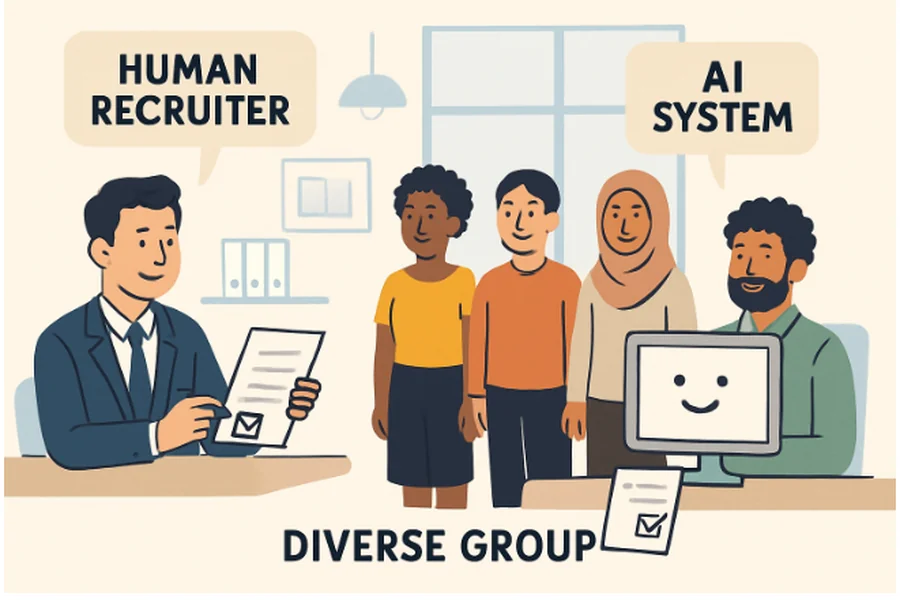
Modern organizations face pressure to recruit and retain top talent amid a changing marketplace. Smart hiring, utilizing technology, data analytics, and strategic approaches, is transforming how companies attract candidates and build high-performing teams. Tools like applicant software streamline the recruitment process, remove bottlenecks, and ensure fair assessments. These methods go beyond traditional hiring, focusing on real-world abilities, soft skills, and cultural fit, which results in a diverse and dynamic workforce that drives competition. Combining AI, inclusive practices, and behavior-based evaluations enables organizations to create pathways for underrepresented talent and enhance their workplace environments. Companies that utilize these techniques experience improved retention, innovation, and increased morale. As intelligent hiring gains popularity, organizations must strike a balance between the efficiency of automation and the importance of human connection. AI is revolutionizing recruitment by automating screening and identifying top candidates quickly and accurately. It analyzes thousands of applications in minutes, freeing recruiters to focus on nuanced stages. AI also helps reduce bias by anonymizing candidate data in early screening, promoting diversity. Thoughtful AI use goes beyond keyword filtering, assessing experience, soft skills, and personality through natural language processing and analytics. However, as the Harvard Business Review notes, AI models reflect the bias of their training data. Ongoing monitoring, ethical oversight, and updates are essential to maintain fairness and compliance.
Skills-Based Hiring: A Shift in Focus
Skills-based hiring represents a significant departure from traditional credential-driven recruitment. In this model, organizations prioritize hands-on abilities over formal degrees or job titles, thus welcoming a wider range of applicants with transferable and practical expertise. This shift not only fills talent gaps but also enables companies to consider candidates from unconventional backgrounds—such as those who have completed online programs, vocational training, or self-directed learning.
The expansion of skills-based hiring helps eliminate systemic barriers that disproportionately affect diverse populations, including minorities and those without access to traditional education. More companies are incorporating practical tests or real-world problem-solving scenarios to assess an applicant’s capacity for the role, fostering a culture of continuous learning and adaptability. According to a Forbes analysis, employers who adopt this approach are not only closing critical skills gaps but also benefitting from richer team composition and lower turnover.
Behavior-Based Hiring: Enhancing Workplace Fit
Technical expertise may get a candidate in the door, but behavioral traits ensure lasting impact and cultural cohesion. Behavior-based hiring zeroes in on how candidates have handled real problems in previous work scenarios, uncovering clues about their communication style, teamwork, leadership, and stress management. This approach uses structured interviews and situational questions to predict future performance within a specific company environment or role.
Behavioral assessments minimize the risks of a poor fit—one of the leading causes of new hire attrition. By consistently evaluating for core values, adaptability, and interpersonal strengths, organizations build teams that thrive together even in times of change or uncertainty. Insights gleaned from these assessments can also inform training and development programs post-hire, maximizing both individual growth and team productivity.
Challenges and Considerations in Smart Hiring
Even the smartest hiring strategies must overcome hurdles. Heavy reliance on automation can inadvertently depersonalize the candidate journey, leading to disengagement or decreased interest from top-tier applicants. Companies should blend digital efficiency with meaningful, authentic touchpoints—such as personalized interview invitations or transparent communication throughout the process. Furthermore, a bias-free system is never a one-time deployment; ongoing evaluation and improvements are necessary to prevent new, unforeseen biases from emerging.
Another challenge is change management. Employees and hiring managers may need training to understand and trust new tech-driven processes. Clear communication about the benefits and transparency in decision-making processes can foster acceptance and buy-in. Ultimately, the most effective hiring processes are those that evolve, keeping pace with both business objectives and broader societal expectations.
Conclusion
Organizations that prioritize smart, inclusive hiring practices position themselves for lasting success. By integrating AI platforms, focusing on demonstrated skills, and prioritizing behavioral compatibility, employers are diversifying their teams, improving productivity, and fostering long-term employee engagement. Although challenges such as automation bias and candidate experience persist, ongoing refinement and ethical stewardship ensure recruitment strategies that truly shape better workplaces.