
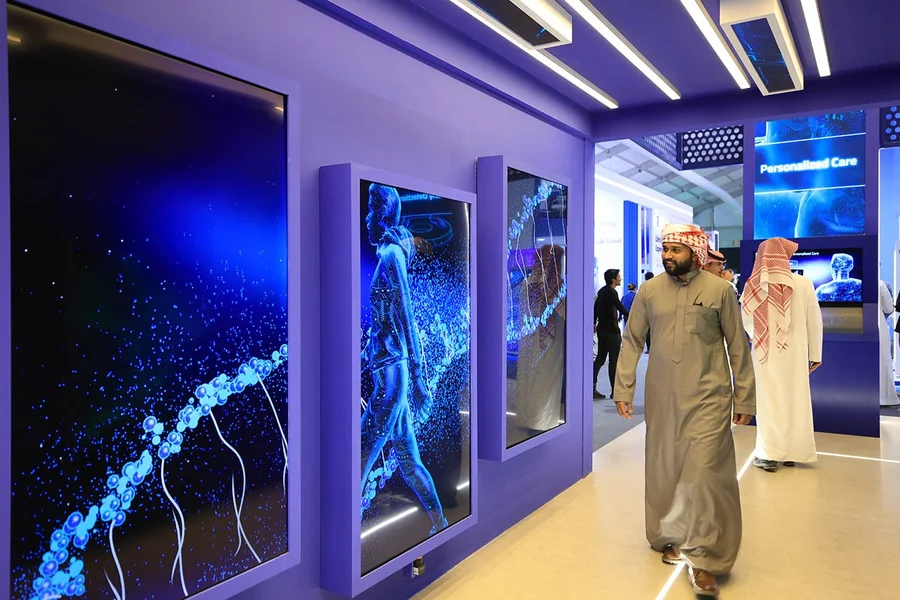
The combination of technology and interior design has brought a few naughty innovations to home decoration, and one of the most interesting innovations is the introduction of interactive walls. These tech-driven walls include digital and intelligent technology that drives interesting and customizable, touch, sound responsive, or even motion responsive, environments. The outcome is an interactive living environment not only has increased the aesthetic value of a house but has also brought a new dimension of functionality and interactivity.
In the article, we shall answer the following questions; what are interactive walls, the technology and how interactive walls are changing the way we relate to our living environments. Interactive walls represent a new and engaging approach to interior design, whether you are a tech enthusiast or just interested in the future of home decor.
What Are Interactive Walls?
Interactive walls refer to surfaces in a house that use digital technology to enhance a more interactive or responsive environment Unique walls. These walls usually consist of displays, sensors, and touch-sensitive materials that enable them to respond to human touch. The interactive walls technology allows the interactive walls to transform in real-time depending on how users interact with it, whether they touch it, talk or even move with it.
In their most basic form, interactive walls are a marriage between old-fashioned materials (paint, wood, or fabric) and high-tech features (LED screen, projection mapping, augmented reality [AR], and movement sensors). The walls can be utilized in many different ways, such as creating immersive art displays, interactive media to be used as entertainment, or even as practical smart home hubs.
Types of Interactive Walls
Interactive walls can be categorized into several types based on the technology used and the intended purpose. Here are a few of the most common types:
- Projection-Mapped Walls
Projection mapping is one of the most visually captivating forms of interactive wall technology. It involves using projectors to display digital images, videos, or animations onto physical surfaces. When applied to walls, projection mapping allows for the creation of dynamic, interactive content that can change in real time.
For example, a projection-mapped wall in a living room could display animated art that responds to touch or gestures, creating a constantly evolving piece of art that adds a futuristic, high-tech vibe to your space. Alternatively, projection mapping can be used for interactive storytelling, where the wall transforms into a canvas for a short film or an immersive display experience that reacts to movements or sounds in the room.
- Touch-Responsive Walls
Touch-responsive walls use capacitive touch technology or infrared sensors to detect human interaction, allowing users to interact with the wall by simply touching it. These walls can be equipped with interactive displays or screens that change content based on touch inputs.
In a living room or bedroom, a touch-responsive wall could serve as a media console where users can swipe through digital photos, control smart devices, or even browse the internet. In kitchens or home offices, touch-responsive walls can function as digital notepads or interactive whiteboards, allowing users to take notes, plan tasks, or visualize ideas with ease.
Touch-responsive walls are often incorporated into home automation systems, allowing users to control lighting, temperature, and other smart devices directly from the wall. These walls create a seamless connection between home decor and technology, providing a more intuitive and hands-on experience for users.
- Smart Wallpaper and Digital Displays
Smart wallpaper and digital displays are another exciting form of interactive wall technology. These digital wallpapers feature built-in OLED screens or flexible LED displays that can showcase a range of content, including art, videos, and animations. The wallpaper can be controlled via a smartphone app, voice commands, or through a smart home automation system, allowing users to change the design, colors, and content displayed on the wall with ease.
Smart wallpaper and digital displays offer a highly customizable way to incorporate interactivity into a room. For example, users can change the wall’s design to match the seasons or set the mood with calming visuals, vibrant patterns, or even digital art that reacts to ambient lighting and sounds. This technology can be particularly useful in spaces that require versatility, such as living rooms, entertainment areas, or even bedrooms where mood lighting and ambiance play an important role.
- Augmented Reality (AR) Walls
Augmented reality (AR) technology has the potential to take interactive walls to the next level. AR walls use AR glasses or smartphones to overlay digital images or information onto physical surfaces, creating an interactive and immersive experience. With AR, users can interact with digital elements in real-time, enhancing their surroundings with virtual objects, games, and informational displays.
For example, an AR wall in a living room could allow users to display interactive games or virtual artwork that responds to gestures or voice commands. In a home office, an AR wall could project virtual whiteboards, graphs, and collaborative tools that help facilitate brainstorming sessions or project management. The possibilities for AR walls are virtually limitless, making them a cutting-edge addition to the world of interior design.
- Motion-Sensitive Walls
Motion-sensitive walls use motion detectors or infrared sensors to detect movement within a room. These walls can respond to human presence or gestures, creating an interactive experience that doesn’t require direct contact. Motion-sensitive walls can be used to control lighting, media, or even security systems by simply walking past the wall or making specific hand gestures.
In a home theater, motion-sensitive walls can adjust the lighting or sound settings based on the viewer’s position in the room. In an entryway, a motion-sensitive wall could trigger a welcome message, play music, or adjust the ambient lighting based on the time of day. These walls create a more intuitive and hands-free experience, allowing users to interact with their environment without physical touch.
Benefits of Interactive Walls
The integration of interactive walls into home decor brings several benefits, both in terms of functionality and aesthetics. Here are some of the key advantages of installing interactive walls in your home:
- Customization and Personalization
Interactive walls allow homeowners to personalize their space in ways that traditional wall treatments cannot. Whether through changing colors, patterns, or content, interactive walls can be tailored to reflect your mood, preferences, or style. This ability to modify the look and feel of a room on demand adds a layer of flexibility and creativity to interior design.
- Enhanced User Experience
By integrating smart technology into your walls, interactive walls provide a more engaging and intuitive user experience. Touch-responsive walls and motion-sensitive systems create seamless interaction between the user and the space, allowing for easier control of home automation systems, entertainment devices, and even virtual or digital art displays.
- Multi-Functionality
Interactive walls serve multiple functions in one space. They can function as a media center, a smart home hub, an art display, or a digital tool. This multi-functionality eliminates the need for multiple devices and systems, streamlining the home environment and making it more efficient.
- Immersive and Dynamic Aesthetics
Interactive walls introduce a dynamic, ever-changing aesthetic to your home. By incorporating projection mapping, AR, or digital wallpapers, your walls can come to life with vibrant colors, animations, and digital art that responds to movement, touch, or sound. This creates a visually stimulating environment that feels modern, innovative, and engaging.
How to Incorporate Interactive Walls Into Your Home
To incorporate interactive walls into your home, the first step is to determine your needs and budget. Interactive wall technology can range from relatively simple touch-responsive panels to sophisticated projection-mapped walls, so it’s important to choose a system that suits your lifestyle.
Start with a focal wall, such as a living room accent wall or an office space, and experiment with small-scale interactive displays before committing to a full-scale project. You can also work with a professional designer or smart home expert to integrate the technology seamlessly into your existing decor, with inspiration and guidance available at trend2wear.
Conclusion
Interactive walls are on the leading edge of home design, a combination of technology and creativity that creates an immersive, moving experience. Interactive walls have unlimited customization, functionality, and entertainment possibilities by incorporating digital displays, touch sensors, and motion sensors. Interactive walls add a touch of innovation and futurism to the interior design of your living room, whether you want to upgrade your living room with a projection-mapped piece of art, or build a smart home hub in your kitchen.