
Spain-Real.Estate, the compass for discerning investors and real estate professionals, charts a course through the ever-evolving terrain of Spanish property. In 2025, Spain’s housing market doesn’t just hum—it accelerates. Prices climb, yields persist, laws bend, and regions like the Costa Blanca, with Alicante at its heart, rise to prominence. Opportunity here isn’t subtle—it’s loud, structured, and statistical. Below is your curated briefing on where to move, when to act, and what to expect in the race for Spanish real estate.
Momentum in Motion: Economy, Demand, and External Capital
Spain’s macroeconomy leans into growth. With GDP poised to outpace the Eurozone at over 2% this year, the stage is set. Tourism stays buoyant, internal spending doesn’t flinch, and lending conditions—courtesy of softened interest rates—remain borrower-friendly. All of it pushes property forward.
Foreign investors? Ubiquitous. In 2024, they drove 93,000 property transactions, accounting for 15% of all residential purchases. Fast-forward to Q1 2025, and the market tallies 183,394 deals—a 12% surge from the previous year. It’s not just a trend. It’s a gravitational pull, where lifestyle, legal structure, and liquidity intersect.
What’s Happening With Prices?
Spain’s residential market isn’t shy about its upward trend. By May 2025, national averages reached €2,391/m²—a hefty 12.8% climb year-on-year. Even inflation-adjusted figures support the narrative: consistent, broad-based gains across nearly every region.
Top Regional Price Growth (Q1 2025)
| Region | YoY Price Growth (%) | Avg. Price (€ / m²) |
|---|---|---|
| Madrid | 11.6 | 2,800 |
| Balearic Islands | 10.3 | 3,100 |
| Valencian Community | 9.9 | 2,350 |
| Cantabria | 9.3 | 2,050 |
| Andalusia | 9.7 | 1,900 |
Notably, smaller markets outperformed expectation. Murcia. Peripheral pockets of Andalusia. Lower profile but highly lucrative. In these zones, appreciation and yields play hand-in-hand, defying assumptions that only the big metros deserve attention.
Rental Returns: Still Attractive, With Room to Grow
Let’s talk income. Average gross rental yields clocked in at 5.60% during Q1 2025. A slight taper from the 5.93% of Q3 2024? Yes. Cause for concern? Not remotely. Projections suggest yields edging upward again—potentially to 7.1%—particularly in Mediterranean-facing zones and rising urban alternatives.
Top Rental Yields by Region (Q1 2025)
- Murcia & Andalusia: Above 8.0%
- Mediterranean Coast: Circling 7.5%
- Madrid (prime commercial): 4.4%
Apartments in city cores remain desirable. So do short-term rentals—but only where permitted. Regulatory tightening is real. Municipalities are clamping down. Think licenses. Daily caps. Fines. Investors must now think long-term or hybrid. Co-living? Long leases? These models are gaining traction, and for good reason.
Spotlight on Alicante: Where Villas Shine Brightest
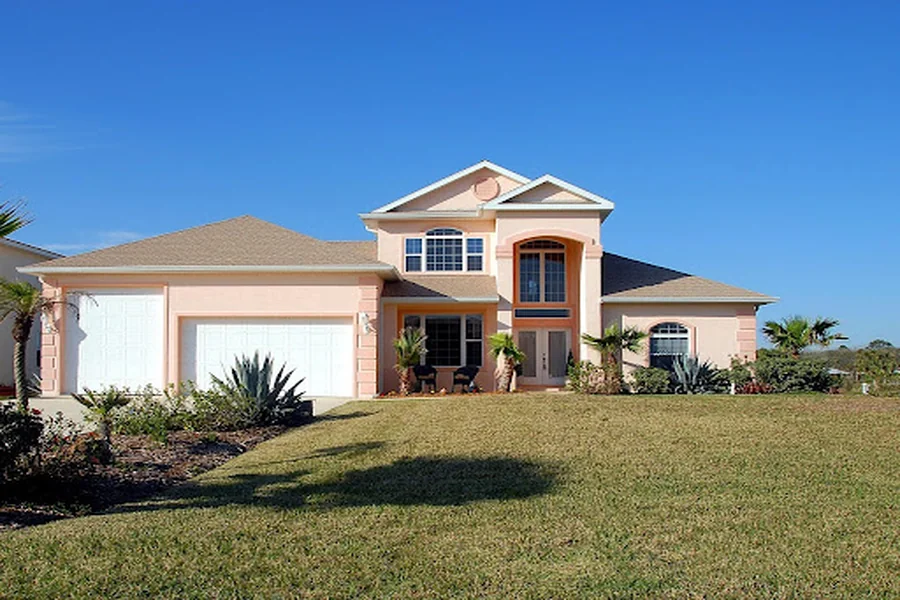
And then there’s Alicante—sun-soaked, internationally adored, and increasingly strategic. The villa market here is magnetic. For those looking at houses in Spain with dual-purpose potential—second home and rental yield—Alicante checks every box.
Current prices reveal the story. As of mid-2025, average residential pricing in the city floats between €2,265 and €2,477 per square meter, while new-builds breach the €2,650 line. Across the province, figures rest around €2,505 for fresh construction.
Alicante Price Snapshot
| Property Type | Avg. Price (€ / m²) |
|---|---|
| Average house | 2,126 |
| Average flat | 2,735 |
Driving demand? Northern Europeans, mainly. They’re not just buying vacation homes—they’re acquiring assets. Sunshine, solid infrastructure, manageable prices—it’s the trifecta. And villas, especially the detached kind with pools and panoramic terraces, are where the premium plays are happening.
Why Foreign Investors Keep Pouring In
This isn’t accidental. There are pillars propping up Spain’s magnetic pull for foreign buyers:
- Mortgage Rates: Hovering under 2%, these are among Europe’s most attractive.
- Tax Conditions: Non-resident incentives and regional tax breaks tip the scale.
- Lifestyle Infrastructure: Clean air, rich cuisine, world-class healthcare—it sells itself.
Buying is easier than ever. Digital platforms reduce friction. Listings are more transparent. Due diligence can happen from a thousand kilometers away. It’s a connected ecosystem now—transactional, legal, and technical steps all aligned.
Navigating Strategy in a Shifting Regulatory Environment
The investor profile in 2025? Adaptive. Flexible. Regulation-aware. Cities like Barcelona and Seville have set limitations on tourist rentals, making short-term profit models more complex. Investors are pivoting. Long-term rentals, student housing, and co-living setups are increasing their share in portfolios.
On another front, previously abandoned developments are seeing a renaissance. Enter Sesena, one of Spain’s most intriguing rebound stories.
Technology: The New Backbone of Real Estate Operations
The Spanish property sector isn’t just expanding—it’s digitizing. Rapidly. Agents now offer immersive 3D walkthroughs. More than 70% of leading firms provide VR property previews. It’s not a gimmick—it’s how deals are closed at scale.
Big data analytics are refining pricing. Historical sale patterns. Portal trends. Registry feeds. They’re all ingested, processed, and turned into razor-sharp valuation models. Even blockchain is entering the scene, used in pilot programs to secure title integrity and reduce fraud risk.
Know Before You Buy: Legal and Tax Realities
Spain remains investor-friendly, but complexity exists. Here’s what buyers need to factor in:
- Transfer Taxes: Between 6% and 10% of the purchase amount.
- Legal & Registry Fees: Typically 1% to 2.5%.
- Annual Property Tax (IBI): Ranges from 0.4% to 1.1% of cadastral value.
- Income & Wealth Tax: Depends on residency status and the region.
Having a local legal team isn’t optional—it’s essential. The right advisors not only ensure compliance but often identify incentives or savings a foreign buyer might overlook.
Wrapping It All Up: Strategy, Structure, and Vision
In 2025, Spain’s real estate market doesn’t simply offer potential—it demands attention. There’s velocity in pricing. Strength in returns. And layers of nuance in regulation, geography, and investor behavior. Whether you’re scouting flats in revitalized districts, luxury villas in Alicante available for purchase, or income-generating homes across Murcia and Andalusia, success lies in precision.
Know the terrain. Leverage technology. Understand the legal scaffolding. And most importantly—act with strategy. Spain is more than just a market. It’s a movement—ripe for those who are ready to make their move.