
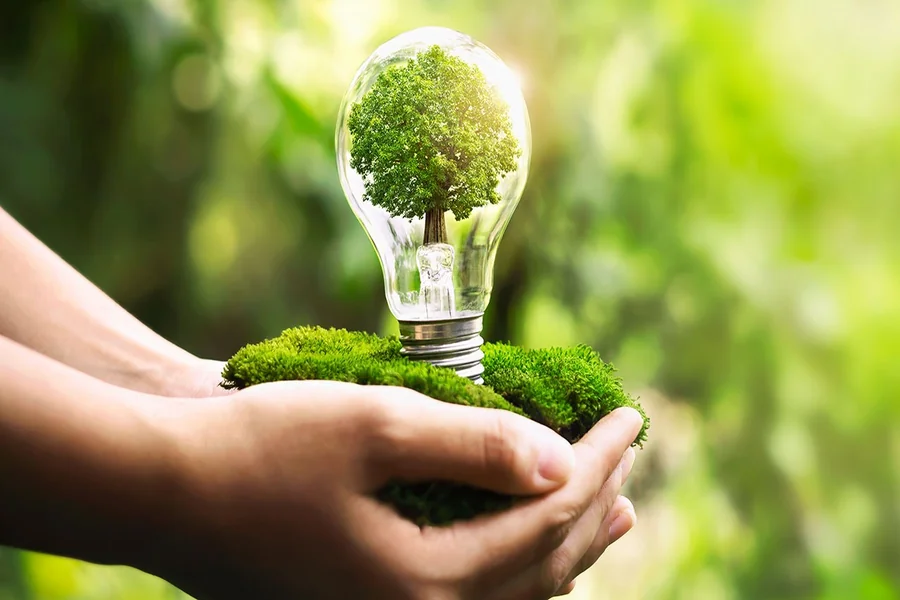
As the world continues to face pressing environmental challenges, the need for a more sustainable and eco-conscious lifestyle has never been more critical. From rising global temperatures to mounting pollution, the choices we make on a daily basis contribute to the world’s environmental health—or harm. While it may seem daunting, the truth is that we all have the power to make a positive impact, and the key lies in building small, everyday habits that collectively contribute to a greener lifestyle.
The transition to a greener way of living doesn’t require drastic lifestyle changes or sacrifices. It’s about making intentional decisions that promote sustainability and reduce environmental harm. In this article, we’ll explore the small yet impactful daily habits you can adopt to lead a more eco-friendly life. Get inspired by the chic looks of Sustainable Celebrity Outfits on the red carpet.
1. Start with Your Morning Routine
The way we begin our day can set the tone for how sustainable our actions are throughout the rest of it. Making simple, eco-friendly tweaks to your morning routine can have a ripple effect throughout the rest of your day.
1.1 Reduce Water Waste While Brushing Your Teeth
One of the easiest and most impactful habits to adopt is turning off the water while brushing your teeth. Leaving the tap running while brushing wastes a significant amount of water. Instead, turn the water off while you brush, and only use it to rinse your toothbrush or mouth.
1.2 Switch to Natural and Sustainable Personal Care Products
The personal care industry is filled with products that come in single-use plastic containers and are often packed with chemicals that are harmful to the environment. Consider swapping your conventional products for natural and eco-friendly alternatives. Use bar soap instead of liquid soap in plastic bottles, choose shampoo bars over bottled shampoos, and opt for organic toothpaste that doesn’t come in plastic tubes. Many brands also offer refillable packaging, which helps to reduce waste over time.
1.3 Reduce Energy Use with Efficient Appliances
Incorporating energy-efficient appliances into your morning routine can significantly lower your carbon footprint. Consider using a solar-powered water heater or energy-efficient lights to reduce the energy consumption of your morning activities. Small switches like these can lead to significant long-term energy savings.
2. Greener Eating Habits
The food we consume has a direct effect on the environment, especially when it comes to food production and packaging. Adopting more sustainable eating habits not only benefits the planet but also promotes a healthier lifestyle.
2.1 Opt for Plant-Based Meals
The meat and dairy industries are major contributors to greenhouse gas emissions, deforestation, and water pollution. Incorporating more plant-based meals into your daily diet is one of the most effective ways to lower your environmental impact. Aim for at least a few meatless days each week and explore the wide variety of delicious plant-based meals available. Simple swaps, such as substituting plant-based protein sources like lentils, tofu, and chickpeas, can make a big difference.
2.2 Buy Local and Seasonal Produce
Support local farmers and reduce your food’s carbon footprint by buying seasonal, locally grown produce. Locally sourced food typically has a smaller carbon footprint, as it doesn’t have to be transported over long distances. Farmers’ markets are a great place to find fresh, local, and organic produce while supporting the local economy.
2.3 Reduce Food Waste
Every year, millions of tons of food are thrown away, contributing to landfill waste and methane emissions. Combat this issue by planning your meals ahead of time, storing food properly, and using leftovers creatively. Learn to love leftovers and find ways to repurpose them into new meals, like turning yesterday’s roasted vegetables into a hearty soup or salad.
2.4 Choose Eco-Friendly Packaging
When grocery shopping, avoid items with excessive packaging, particularly single-use plastics. Instead, opt for reusable bags, bulk food bins, and items with minimal or compostable packaging. You can also choose products in glass or cardboard containers, which are easier to recycle than plastic.
3. Embrace Sustainable Transportation
Transportation is one of the largest contributors to carbon emissions globally. Whether it’s commuting to work, running errands, or traveling, how we get around can have a significant impact on the environment. Fortunately, there are many options for making more sustainable transportation choices.
3.1 Walk or Bike
One of the simplest and most sustainable forms of transportation is walking or cycling. These modes of travel not only help reduce emissions but also promote personal health and well-being. For short trips, consider walking or cycling instead of driving, which will help reduce your carbon footprint and give you some fresh air and exercise at the same time.
3.2 Use Public Transportation
Using public transportation, such as buses, trains, or subways, can significantly reduce your carbon emissions compared to driving a personal vehicle. By sharing a ride with others, you reduce the number of cars on the road, leading to less congestion and less pollution.
3.3 Carpool and Ride-Share
If public transportation isn’t an option, consider carpooling or using ride-sharing services to reduce the number of vehicles on the road. When possible, share rides with others to maximize the number of people per trip, which can cut down on emissions and reduce your overall environmental impact.
3.4 Choose Electric Vehicles
For those who need to drive, consider making the switch to an electric vehicle (EV). EVs produce zero tailpipe emissions, reducing air pollution and greenhouse gases. Many cities also offer incentives for electric vehicle owners, such as tax rebates, free charging stations, and reduced tolls.
4. Reduce, Reuse, and Recycle
Adopting the three Rs—Reduce, Reuse, and Recycle—is key to minimizing waste and conserving resources. The more you integrate these principles into your daily life, the less you contribute to landfills and pollution.
4.1 Reduce Single-Use Plastics
Single-use plastics, like water bottles, straws, and plastic bags, are a major source of environmental harm. Replace these items with reusable alternatives such as stainless steel bottles, glass containers, metal straws, and cloth shopping bags. By choosing reusable items, you can drastically reduce the amount of plastic waste you generate.
4.2 Repurpose and Upcycle Items
Before throwing something away, consider whether it can be repurposed or upcycled into something useful. Old clothes, for example, can be turned into rags, quilts, or new accessories. Old containers can be used as plant pots, storage solutions, or organizers. This creative mindset not only prevents waste but also encourages a more sustainable approach to consumption.
4.3 Set Up a Recycling System
Recycling is essential for reducing the demand for new materials and conserving natural resources. Set up a recycling system in your home by having separate bins for paper, plastic, glass, and metal. Familiarize yourself with your local recycling guidelines and ensure that you’re properly sorting your recyclables to ensure they can be processed efficiently.
5. Conserve Water and Energy
Water and energy are two of the most valuable resources we have, yet they are often wasted in everyday activities. Adopting water and energy-saving habits can significantly reduce your ecological footprint.
5.1 Fix Leaks and Install Water-Efficient Fixtures
Leaky faucets, running toilets, and inefficient plumbing fixtures can waste significant amounts of water over time. By fixing leaks promptly and installing low-flow showerheads, faucets, and toilets, you can conserve water and reduce your household’s water bills. Additionally, consider using a rainwater collection system to water your plants.
5.2 Turn Off Lights and Unplug Devices
Be mindful of energy usage by turning off lights when they are not in use, using energy-efficient LED bulbs, and unplugging electronics when they are not in use. Many devices continue to draw power even when turned off, a phenomenon known as “phantom power.” Unplugging devices or using a power strip can help you save energy.
5.3 Use Energy-Efficient Appliances
Switching to energy-efficient appliances, such as refrigerators, dishwashers, and washing machines, can significantly reduce your home’s energy consumption. Look for products that are rated Energy Star or equivalent to ensure that they meet high standards for energy efficiency.
6. Support Sustainable Brands and Practices
Finally, support businesses and products that align with your values. Choose eco-conscious brands that prioritize sustainability, ethics, and environmental responsibility in their production processes. By voting with your wallet, you help create demand for greener practices across industries.
6.1 Buy Less, Buy Better
One of the most powerful actions you can take is to buy less and buy better-quality items. Focus on purchasing items that are durable, repairable, and made with sustainable materials. Invest in pieces that will last longer and require fewer replacements.
6.2 Support Local and Ethical Businesses
Whenever possible, buy locally and support businesses that prioritize fair wages, ethical labor practices, and environmental sustainability. Local purchases reduce carbon emissions by cutting down on transportation, and ethical businesses help promote fair trade practices and social responsibility.
7. Conclusion
Adopting a greener lifestyle is not about making drastic changes overnight; rather, it’s about consistently integrating small, mindful actions into your daily routine. By focusing on making eco-friendly choices, from reducing waste and conserving energy to supporting sustainable businesses, you can contribute to a more sustainable future. The more we prioritize sustainability in our daily lives, the greater the positive impact we can have on the planet. Start small, stay consistent, and soon you’ll find yourself living a life that not only benefits you but also the world around you.