
Rediscovering Simplicity in Modern Cuisine
In a world of fusion madness and molecular fireworks, a growing number of elite chefs are shifting back to something much more elemental: purity. No smoke. No mirrors. Just the ingredient—thoughtfully sourced, expertly prepared, and allowed to speak for itself. This approach, sometimes called quiet luxury, is about returning to what made food magical in the first place: quality over complexity.
The trend doesn’t ignore innovation. Instead, it embraces the idea that mastery lies in restraint. Where chefs once layered ten techniques into a single dish, many are now focusing on just three to four exquisite elements—each one elevated, not hidden.
Ocean Treasures in the Spotlight
Few places embody this shift more than the seafood counter, where freshness reigns supreme. And in the world of premium seafood, few ingredients carry the cult-like reverence of uni—the golden roe of the sea urchin, often highlighted in this essential guide to uni for its rich flavor and unique texture.
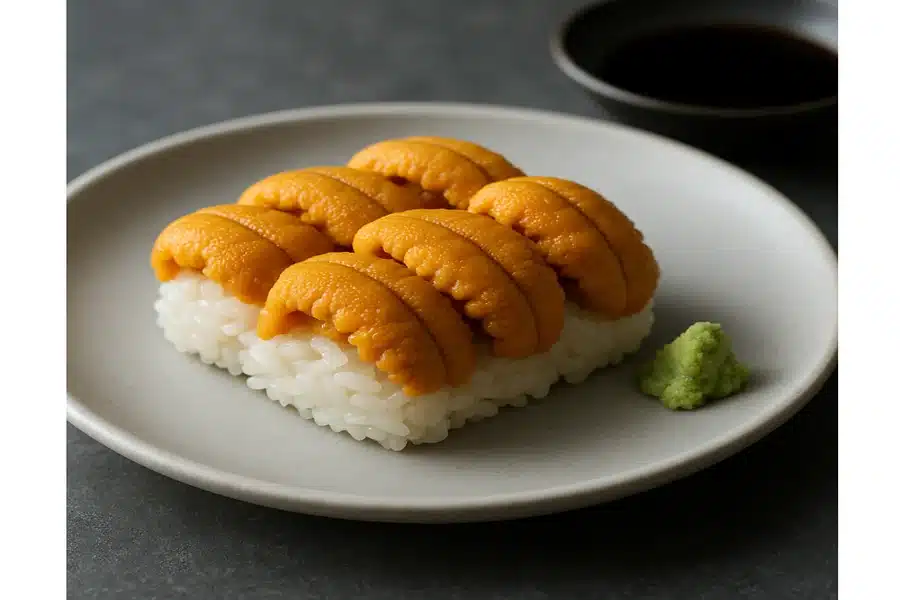
Often misunderstood by those new to Japanese cuisine, uni delivers a distinct, oceanic richness that’s creamy, briny, and subtly sweet. It’s delicate, perishable, and undeniably luxurious, making it a top-tier item in omakase menus and modern tasting experiences. Whether served alone on a spoon, atop warm rice, or paired with umami-forward ingredients like truffle or soy, its presence signifies that a dish is not just delicious, but special.
The key to appreciating uni isn’t complexity. It’s reverence. And that’s precisely what this new culinary movement is about.
Elevating the Single Ingredient
In kitchens from Tokyo to New York, chefs are spotlighting single ingredients in entire courses. One dish. One hero. Supporting flavors are carefully selected not to overpower, but to accentuate. That’s why ingredients like toro, caviar, morel mushrooms—and yes, uni—have gained even more prestige in recent years. They stand up beautifully on their own.
This approach also challenges chefs to become better selectors, not just better technicians. Knowing how to source a seasonal, sustainably harvested product is now as valuable as knife skills or plating artistry. With uni, for example, the taste can vary based on species, region, and even the urchin’s diet. Understanding these nuances allows chefs to curate different expressions of the same ingredient, almost like wine varietals.
In short, today’s refined dining isn’t about more. It’s about deeper. And that begins at the source.
From Sea to Spoon: The Journey Matters
Consumers, too, are beginning to care more about where their food comes from. Ingredient-first cooking is driving conversations around traceability, ethical fishing practices, and minimal intervention. When an ingredient is the star of the plate, how it is handled from harvest to delivery becomes part of the experience.
This is especially true for fragile items like uni, which must be handled with utmost care. Freshness is everything, and even a few hours can impact the flavor and texture. That’s why many chefs and discerning home cooks alike now turn to trusted suppliers who understand the intricacies of seafood handling.
Fulton Fish Market, for instance, offers not only access to top-tier uni but also provides insights on how to store and enjoy it, making the luxury ingredient more approachable for at-home use. This ability to bridge the gap between restaurant-quality and home preparation is part of why the ingredient is enjoying a broader cultural moment.
Uni as an Everyday Luxury?
As culinary culture matures, there’s an increasing interest in “affordable indulgence”—small ways to bring restaurant-level joy to the home table. While uni may never be considered cheap, it’s finding new audiences through creative, simpler recipes: stirred into a pasta sauce, spread on sourdough toast, or gently layered into an omelet. These uses strip away the formality of fine dining without losing the sense of occasion.
It’s a way to bring quiet luxury home—a little moment of decadence tucked into your Tuesday night.
Even in casual settings, uni retains its signature elegance. That’s part of what makes it so compelling. Like a single brushstroke on a canvas, it doesn’t need much space to make a statement.
Culinary Culture Moving Forward
Ingredient-first dining is more than a passing trend. It’s part of a larger cultural shift toward mindfulness of flavor, of source, and of impact. As consumers become more educated and chefs more intentional, the future of food looks less like theater and more like poetry.
We’re seeing menus shrink, but meaning expand. Less flash, more focus. Less confusion, more connection.
And at the center of this quiet revolution? Ingredients like uni, which remind us that sometimes, the ocean already did the hard work. All we have to do is respect it.
Final Thoughts
As dining moves into a more conscious and refined era, the ingredients we once considered exotic or intimidating are being reintroduced as approachable luxuries. From Michelin-starred kitchens to thoughtful home cooks, the culinary world is leaning into elegance through simplicity, and seafood, especially uni, is leading that charge.